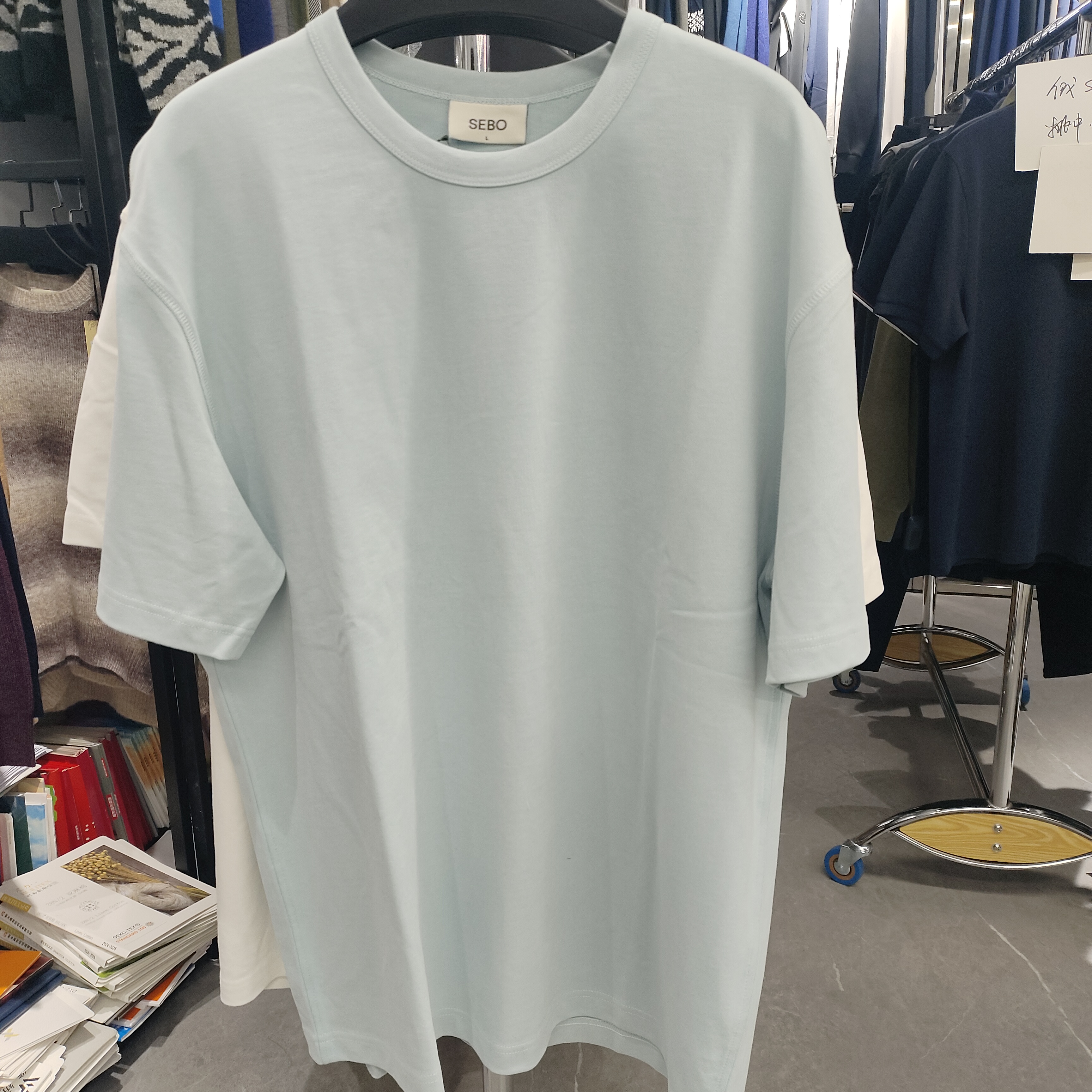


In a world saturated with mass-produced fashion, the desire for unique and personalized apparel is stronger than ever. These custom garment dye shirts offer a fantastic way to achieve a distinct look that stands out from the crowd. This technique, often reminiscent of the soft, lived-in feel of vintage style polo shirts, provides a depth of color and character that is hard to replicate with traditional dyeing methods. Whether you're an individual looking to express your personal style or a brand aiming to create a memorable product line, understanding the nuances of garment dyeing can unlock a world of creative possibilities.
https://www.rongligarment.com/
Understanding the Garment Dye Process
So, what exactly are custom garment dye shirts? Unlike conventional methods where fabrics are dyed in large batches before being cut and sewn, garment dyeing involves coloring the apparel *after* it has been fully constructed. This means the entire shirt – seams, threads, and all – is immersed in dye. This process results in a richer, more nuanced color saturation and often imparts a characteristic softness to the fabric. The 'custom' aspect refers to the ability to tailor the color and finish precisely to one's specifications, creating truly one-of-a-kind pieces or limited-edition collections.
The Charm of Imperfection and Uniqueness
One of the most captivating aspects of garment-dyed apparel is the subtle variation in color that can occur, especially around seams and textured areas. These slight inconsistencies are not flaws; rather, they contribute to the unique charm and artisanal quality of each piece. This effect is particularly sought after for items aiming for a relaxed, slightly weathered, or vintage aesthetic. The process ensures that no two shirts are ever perfectly identical, offering a level of exclusivity that is highly valued. This lived-in look and feel are especially popular for casual wear, where comfort and unique style are paramount.
Diving into Garment Dye Techniques
There are various garment dye techniques employed to achieve different aesthetics and color effects. Some common methods include pigment dyeing, which uses insoluble pigments that sit on the surface of the fabric, often creating a more faded, vintage look over time with washing. Reactive dyeing, on the other hand, creates a chemical bond with the fabric fibers, resulting in vibrant, long-lasting colors that are very wash-fast. Other specialized garment dye techniques might involve tie-dyeing, dip-dyeing, or using enzymes to further soften the fabric or create specific distressed looks. The choice of technique depends heavily on the desired outcome, the fabric composition, and the specific color palette being targeted.
Achieving the Perfect Vintage Look
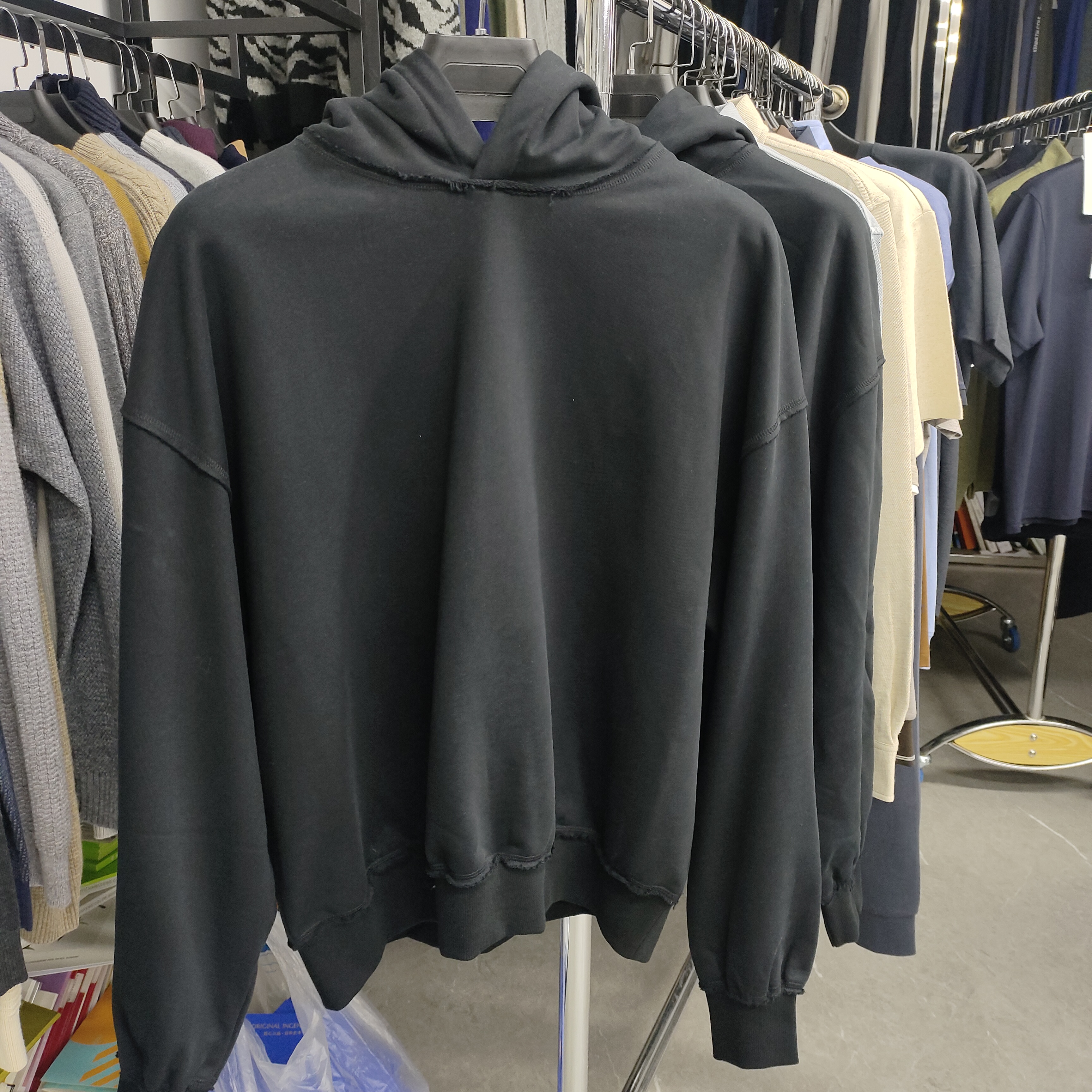
The garment dyeing process is exceptionally well-suited for creating apparel with a vintage character, especially when it comes to items like polo shirts where a softer, lived-in feel is highly desirable. Think of those perfectly faded, incredibly soft tops that feel like they’ve been a favorite for years – garment dyeing can achieve that effect right from the start. The technique naturally lends itself to softer, more muted tones or beautifully saturated colors that have a slightly worn-in appearance. Because the entire garment is dyed after construction, components like the collar, placket, and even the stitching absorb the dye in a way that contributes to an authentic vintage appeal. This makes garment-dyed pieces, including sought-after vintage style polo shirts, a fantastic choice for brands or individuals looking to capture a timeless, effortlessly cool aesthetic.
Advantages of Choosing Custom Garment Dye Shirts
Beyond the unique look, custom garment dye shirts offer several practical benefits. Firstly, the dyeing process often involves high temperatures and washing, which can pre-shrink the garment. This means the fit you get when you first try on the shirt is likely the fit you'll keep, reducing concerns about unexpected shrinkage after the first wash. Secondly, the process can make fabrics feel exceptionally soft and comfortable against the skin from day one. The all-over color penetration also means that even if the garment experiences some wear, the color consistency remains high. When you opt for customization, you also gain control over the exact hue and intensity, ensuring the final product perfectly aligns with your vision.
Personalization and Modern Minimalism
The beauty of custom garment dye shirts lies in their capacity for personalization combined with attainable quality. Imagine creating a line of polo shirts, perhaps like the conceptual 'Modern Minimalist Polo' by Creative Field, but with a unique, custom-developed garment-dyed color. This approach allows brands to infuse classic designs with a distinct personality. While Creative Field's 'Modern Minimalist Polo' focuses on soft neutral tones and functional design with its perfectly tailored collar, three-button placket, and premium soft-touch fabric, applying custom garment dye techniques could further enhance its appeal, offering unique shades that tell a specific story or cater to niche markets. The breathable comfort and durable high-quality weave of such a garment are ideal foundations for the garment dyeing process, ensuring both style and longevity. The focus on a gentle beige shade by default showcases versatility, and custom dyeing can expand this palette infinitely.
Embracing Individuality with Garment Dyeing
In conclusion, the garment dyeing process applied to custom shirts represents a wonderful fusion of traditional craftsmanship and modern customization. They offer an avenue to create apparel that is not only visually appealing with its rich, nuanced colors and potential for vintage style polo shirts, but also exceptionally comfortable and unique. By understanding different garment dye techniques and the benefits they offer, individuals and brands can create clothing that truly resonates. Whether you're aiming for a subtle, sophisticated hue or a bold, statement color, garment dyeing opens up a spectrum of creative possibilities for apparel that tells a story.